Building a Supplement Routine for Healthy Ageing
Why a Thoughtful Approach Matters
As the years pass, the body's needs change. What worked in your thirties may not serve you as well in your sixties. Digestive efficiency shifts, metabolism slows, and the body becomes more susceptible to oxidative stress. A supplement routine tailored to healthy ageing can help fill nutritional gaps and support key functions like bone density, immune response, and energy metabolism. But building that routine is not about throwing a handful of pills together. It requires a logical, step-by-step process that respects how the body actually works.
The goal is not to treat supplements as a substitute for good food or medical care. Instead, they can complement a balanced diet and an active lifestyle, providing targeted support where modern life or natural ageing creates shortfalls. With that in mind, here is a practical how-to guide for creating a supplement routine that supports healthy ageing. nutritional support for healthy ageing
Step 1: Assess Your Current Diet and Lifestyle
Before buying anything, take a honest look at what you eat, how you sleep, and how much you move. A supplement routine should address real gaps, not imagined ones. Keep a simple food diary for a week. Note your vegetable intake, protein sources, and whether you eat oily fish, nuts, seeds, or fortified foods. Also consider your sun exposure, which affects vitamin D levels, and your physical activity, which influences muscle and bone needs.
What to watch: Do not assume you need everything. Many people already get enough of certain nutrients from food. Adding more can be unnecessary or even problematic. For example, too much iron can be harmful for older adults, especially men and postmenopausal women. A diet rich in leafy greens, legumes, and lean meats may already cover your iron needs. Only supplement after identifying a genuine gap.
Step 2: Prioritise the Foundations
Once you know where your diet falls short, start with the nutrients that have the broadest impact. For healthy ageing, the foundation often includes a good multivitamin and minerals formula that covers B vitamins, vitamin D, calcium, magnesium, and zinc. These support energy metabolism, bone health, immune function, and nerve signalling. A well-formulated multivitamin is a sensible starting point because it covers many bases without requiring a cupboard full of bottles.
What to watch: Not all multivitamins are created equal. Look for forms that the body can use, such as methylated B vitamins or chelated minerals. Avoid formulas with excessive amounts of nutrients you already get from food. More is not better, and some nutrients compete for absorption. A balanced formula designed for older adults is often a safer bet than a generic one.
Step 3: Add Targeted Support for Common Ageing Concerns
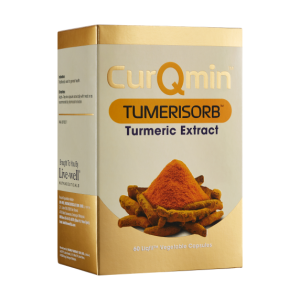
With the foundation in place, you can layer in specific supplements that address your personal risk areas. For example, if you have concerns about joint stiffness, glucosamine or turmeric extracts may help. If bone density runs in your family, extra vitamin D and vitamin K2 support calcium deposition in bones rather than soft tissues. For heart health, omega-3 fatty acids from fish oil or algae oil can help maintain healthy cholesterol and triglyceride levels.
Another common area is cognitive function. Phosphatidylserine, bacopa monnieri, or certain B vitamins may support memory and mental clarity. But remember that the brain is deeply connected to overall health. Good circulation, stable blood sugar, and adequate sleep all matter more than any single supplement.
What to watch: Do not layer too many targeted supplements at once. Start with one new addition at a time and give it at least a month. That way, if you notice any digestive upset or no change, you know which product is responsible. Keep a simple log of how you feel, your energy, your sleep, and any physical changes.
Step 4: Consider Absorption and Timing
Supplements only work if your body can absorb them. As we age, stomach acid production often decreases, which can reduce the absorption of vitamin B12, iron, and calcium. Taking these with a meal that contains some protein or fat can help. Fat-soluble vitamins A, D, E, and K are best taken with food containing healthy fats. Water-soluble vitamins can be taken on an empty stomach if they do not cause nausea.
Timing also matters for interactions. Calcium supplements can interfere with thyroid medication or iron absorption, so separate them by at least two hours. Magnesium is best taken in the evening because it can promote relaxation and sleep. Caffeine can block the absorption of some minerals, so avoid washing down your morning supplements with coffee.

What to watch: Do not assume that taking everything together is fine. Some combinations reduce each other's effectiveness. For example, zinc and copper compete for absorption, so they are best taken at different times. A good supplement label will often advise on timing. If not, a quick chat with a pharmacist or a nutrition professional can clarify.
Step 5: Monitor Medication Interactions
This step is crucial for anyone taking prescription medications. Many common drugs interact with supplements. Blood thinners like warfarin can be affected by vitamin K, and some herbal supplements like ginkgo biloba or high-dose vitamin E can thin the blood further. Statins may interact with certain plant sterols. Antacids can reduce the absorption of several minerals.
Always check with your doctor or a clinical pharmacist before adding a new supplement, especially if you take daily medications. They can help you adjust timing or choose forms that avoid conflicts. This is not a step to skip. The goal of nutritional support for healthy ageing is to enhance health, not to create new problems. A supplement routine that ignores medication interactions can do more harm than good.
Step 6: Choose Quality Products
Not every supplement on the shelf is made to the same standard. Look for products that have been independently tested for purity and potency. Third-party seals from organisations like NSF International or USP indicate that the product contains what the label says and is free from harmful contaminants. Avoid products that make extravagant claims or that use proprietary blends that hide ingredient amounts.
What to watch: Price is not always a reliable guide to quality. Some expensive brands use poor forms of nutrients, while some affordable brands produce excellent products. Learn to read labels. Look for the active form of each nutrient, the dosage per serving, and any allergens or fillers. A simple rule is to choose products from manufacturers who have a long history and a reputation for transparency.
Step 7: Revisit and Adjust Regularly
A supplement routine is not set in stone. Your needs change with age, with changes in your health, with the seasons, and with your diet. What works at 60 may need adjustment at 70. Review your routine every six months or after any significant health event. If you start eating more oily fish, you may need less omega-3. If you spend more time outdoors in summer, you may reduce your vitamin D dose.
Also pay attention to how you feel. If you notice new digestive issues, fatigue, or unusual symptoms, stop the newest addition and see if things improve. Listen to your body. The best routine is one that supports you without causing side effects or becoming a burden.
Building a supplement routine for healthy ageing is a gradual, personalised process. It starts with an honest assessment, builds on a solid foundation, adds targeted support where needed, and respects the realities of absorption, timing, and medication interactions. By following these steps, you can create a plan that provides real nutritional support for healthy ageing without guessing or overdoing it. The result is a routine that works with your body, not against it, and helps you feel your best as the years go by.